Ignition System
Created on: 2024-11-28
Tags: #ignitor #solidMotor
Course: Rocket Propulsion
Definition
Igniter in a solid rocket motor generates the heat and gas required for motor ignition.
Required Properties:
- Fast high heat release
- Stable initiation and operation over wide pressure ranges
- Rapid initiation of igniter propellant
- Low ignition delays
- Low burn rate sensitivity to temperature and low value of n.
- Easy to manufacture, transport and handling.
- Long life
- Minimum moisture absorption or degradation with time.
Mounting Options
- Aft, Internal
- Aft, external
- Forward, internal
- Forward, external
Most suitable is the Forward, internal since,
- It can be thrown out after burnout as it is a deadweight.
- The ignitor gas travels from forward to aft and back, better chance of combination.
Types of Igniter
- Ignitor Composition
- By combustion of an easily burnable mixture.
- Pyrotechnic Igniter
- Combustion of the igniter charge is initiated electrically.
- Pyrogen Igniter
- A small solid propellant rocket is used as igniter.
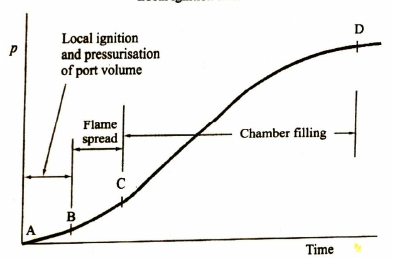
Ignition Process
- Receipt of an electrical signal which includes heat generation.
- Transfer of heat from igniter to motor grain surface.
- Spreading flame over the entire burning surface area.
- Port volume filling with gas.
- Chamber pressure elevation.
Phase I, Ignition time lag: Time from the moment igniter receives a signal to the first grain burning.
Phase II, Flame-spreading interval: Flame spread from local ignited area till complete grain burning area.
Phase III, Chamber-filling interval: Time for completing the chamber filling process and for reaching the equilibrium chamber pressure and flow.
Linked from
- No other published notes link here yet.